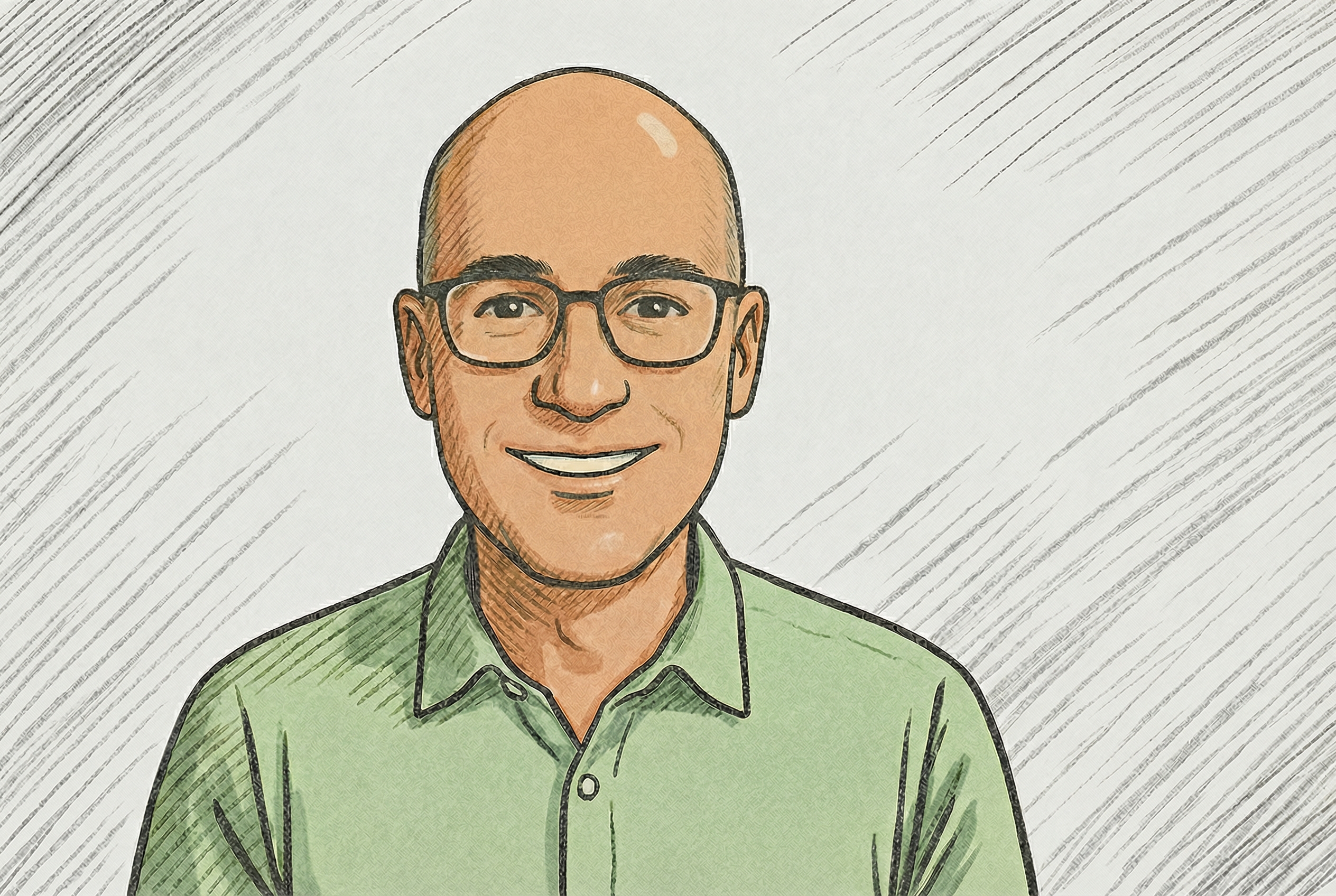
We recently had the chance to sit down with Brian Slattery, the co-founder of Teamwork Unlocked, and let me tell you, it was an eye opener. If you love board games or escape rooms, you are going to want to hear this story. Brian isn’t just a fan of the industry. He actually pioneered a massive board game cafe and a permanent escape room right inside the Google Singapore office.
We are talking about a room that saw over one hundred and fifty teams run through it. But Brian noticed something interesting while watching his colleagues solve puzzles. He realized that the way people act in an escape room is almost exactly how they act at their desks. That spark led him to leave the tech giant and start a B2B company that uses escape rooms to build better leaders. Here is what we learned from our chat.
Listen In
The full interview with Brian is available to listen to below. He dug into player profiles a lot and how these can help (or hurt) team collaboration. The follow up sequence he uses for individuals drives continued growth well beyond the initial escape room experience.
The Lightbulb Moment at Google
It all started when Brian was working at Google Singapore. He helped build what became the largest office board game cafe, but he didn’t stop there. He and a friend built a fully functioning sixty-minute escape room right in the office. They spent months designing puzzles and playtesting.
“I really quickly noticed… that a lot of the skills that you use in an escape room are the exact same skills that you need to use at work.”
As teams played, Brian noticed that the skills used to crack a code were the same skills needed to crack a business problem. But he saw a missed opportunity. Usually, when a team finishes an escape room, they high five and head to a bar. They might laugh about a mistake, but the learning stops there. Brian decided to add a thirty-minute debrief after the game to talk about what happened. The feedback was instant. People told him the game was fun, but the conversation afterward was what really mattered. That was the moment he knew he had a business on his hands.
Decoding the Player Personas
One of the coolest things Brian shared was how he categorizes the different types of people in a room. You have probably seen these folks yourself. There is the Analyst or the searcher who quietly scours the room for clues. There is the Problem Solver who just jumps in and tries to fix things. Then you have the Communicator who shouts out everything they find.
“One that we saw the most rarely was a proper organizer. Someone who kind of leads the room, divides labor essentially, and assigns people in the room to different tasks.”
Brian also mentioned a rare bird called the Organizer. This is the person who steps back, divides the labor, and manages the chaos. He noted that teams with a good Organizer usually escape much faster. Then there is the Reflector. This profile relies on past data to solve current problems. Brian told a great story about a player who solved a magnet puzzle instantly because his engineer father always carried a magnet. But sometimes, relying on the past can make people freeze when they face a totally new problem. Identifying these roles helps teams understand their dynamic way better than a standard personality test.
Why the Debrief is the Secret Weapon
“In the workshop, we can go and show exactly that moment… ‘Hey Brandon, seven minutes into the room, we caught you having a motivator moment. Let’s show everybody else what that looked like.’”
If you are an escape room owner looking to get into the corporate market, pay attention to this part. Brian emphasized that the real value for businesses isn’t the game itself. It is what happens after. At Teamwork Unlocked, they don’t just watch the players. They use an app to tag behaviors in real time.
If someone acts as a great Motivator, the gamemaster tags it. During the debrief, they can actually show CCTV footage of that exact moment. It changes the conversation from a vague memory to hard proof. They discuss communication breakdowns and leadership wins right while the adrenaline is still pumping. This turns a fun hour into a serious training tool that companies are willing to pay for.
Fighting the Forgetting Curve
“Even just that little… one prompt a week to remind them about the training, remind them about their role, and help them take a conscious action to do something about it, that’s what’s going to help the learning stick.”
We all know the feeling of attending a boring corporate training and forgetting everything a week later. Brian calls this the forgetting curve. You lose about half of what you learn the same day and nearly all of it within a week. To fight this, his company doesn’t just say goodbye after the workshop.
They send follow-up emails for three to six months. These aren’t spammy newsletters. They are weekly challenges based on the roles the players want to improve. If someone wants to be a better Motivator, their Monday challenge might be to send a thank you email to a colleague. It is a small nudge, but it keeps the training alive long after they have escaped the room.
Designing for the Office Crowd
Brian made a great point about the difference between a public escape room and a corporate one. In a public room, you want a challenge. In a corporate room, you need a safety net. He views the escape room as a simulation of a three to six month business project shrunk down to an hour. You know where you start and you know the goal, but the middle is messy.
“I like to think about an escape room as almost like a simulation of a three-month to six-month business project.”
His room is submarine themed. It is high tech, but he learned that tech can fail. He shared a funny story about a complex puzzle box that kept breaking, so they replaced it with a simple chopstick puzzle. It worked just as well. The goal isn’t to stump the players until they are frustrated. It is to create enough pressure to reveal their true colors, but enough safety that they can experiment with new leadership styles.
Selling Outcomes Instead of Fun
“Nobody in corporate enjoys when they hear they’re going to have a training day… Everybody in corporate enjoys when they hear we’re going to have a team bonding, team building, team fun day. So what we do is we’re threading the needle between those two.”
For anyone trying to pitch to businesses, Brian had some gold advice. Don’t sell the game. Corporate buyers don’t care about your cool props or your zombie theme. They care about their team. You need to sell the outcome.
He positions his escape room as a bridge between team bonding and team training. Everyone loves bonding, like going out for drinks, but it doesn’t teach you anything. Everyone hates training because it is boring. Brian offers the fun of bonding with the results of training. By focusing on communication, psychological safety, and leadership, he speaks the language of the people writing the checks. He even uses a specific “Challenger” role to help teams in Singapore overcome cultural hesitation around questioning authority. It is all about solving a business problem for the client.
Games for Growth
Brian’s journey from a Google employee to a B2B founder shows that there is so much more to this industry than just locks and keys. By focusing on the psychology of the players and the lasting impact of the experience, he has built something unique. Whether you are a player, an owner, or just someone who loves a good puzzle, there is a lot to learn from the way Teamwork Unlocked approaches the game. It turns out, the best way to build a better team might just be locking them in a room together.
If you’d like to get in touch with Brian, you can find him on LinkedIn. And you can learn more about how Teamwork Unlocked can improve your team’s ability to collaborate together on their website.
Leave a Reply
You must be logged in to post a comment.