
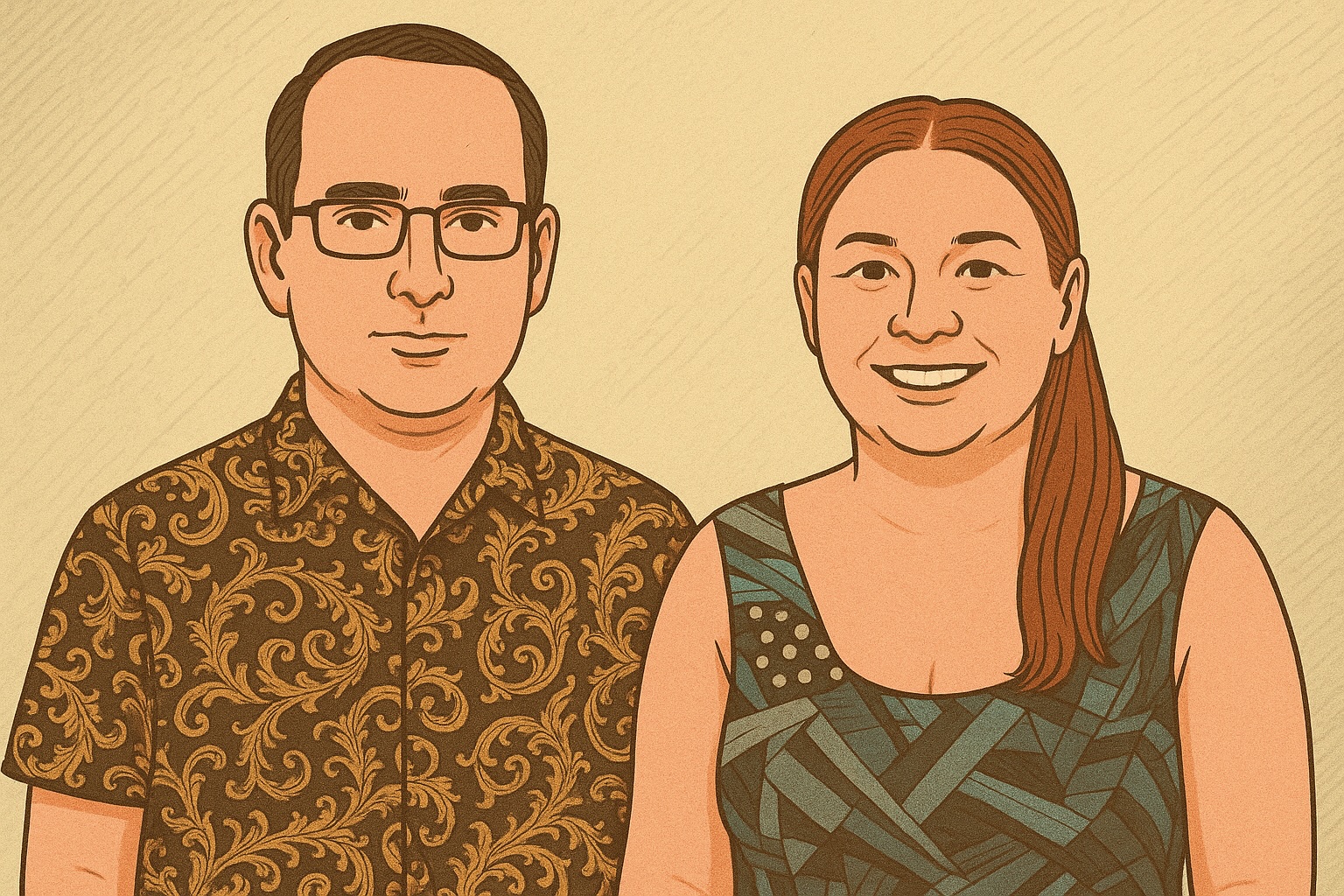
There is a special moment that happens when you play your first really great escape room. It is that feeling of being transported somewhere else, solving a mystery, and working together with the people you love. For Lucie Boudreault and Philippe Martineau-Gauthier, that spark happened only about a year and a half ago. They started playing escape games as a couple and with their kids, and they fell in love with it instantly. They loved discovering new places and trying new things. But they did not just want to play. They realized they had the skills and the passion to create that same “wow” effect for other people. That is how their new company, Evasio in Quebec, Canada, was born.
I had the chance to sit down with Lucie and Philippe to talk about their transition from players to owners. Their story is full of excitement, hard work, and some serious reality checks that anyone looking to start an escape room business needs to hear.
Listen In
The full interview with Lucie and Philippe is available to listen to below. I loved how open they were with sharing their experience. It’s not all smooth sailing, but it’s clear that they have a vision and the fortitude to see it to success. Best of luck to Evasio!
Chasing the Wow Factor
“We have a team to help us. So when we come with an idea, they challenge us on the idea… is it enough tough for the people to play with it?”
When you talk to Philippe, you can tell right away that he is not interested in just putting a few locks in a room. He wants to create an experience. He talked about how much he loves it when a player discovers a new room and realizes they are in a totally different world. One of the things that drives their design is humor and immersion. Philippe explained that he loves it when the whole room feels like an inside joke that you slowly begin to understand. They want players to have that moment where everything clicks and they understand why things are happening.
To make this happen, they rely on a talented team. They didn’t try to do it all alone. While they started the idea as a couple, they quickly realized they needed help to make it real. They have a team that challenges their ideas. If Philippe comes up with a puzzle, the team asks if it is too hard or if people will understand it. This feedback loop is crucial for them to turn a cool idea in their heads into a playable game.
The Reality of Construction Time
One of the biggest lessons Lucie and Philippe learned is about time management. In the beginning, you might look at a plan and think a puzzle will take two weeks to build. The reality is often very different. Philippe is a mechanical draftsman by trade, so he is great at planning and sketching, but building is a different beast. They found that what they thought would take weeks actually took months. You try something, it doesn’t work, you have to change it, and then you have to test it again.
“We try to make things that doesn’t exist already, so it’s always like experimentation.”
They want to create things that do not exist yet, which means a lot of experimentation. They put a ton of effort into the decor because they want that immersive feeling. They realized that if they wanted to do it right, they couldn’t just throw it together. It meant hiring more people and accepting that opening day might get pushed back. They expected to be open for the summer, but the reality of building a high quality experience means they were looking at a later Grand Opening. For new owners, the lesson is clear. However long you think it will take, it will probably take longer.
Breaking the Mold of Traditional Locks
“It doesn’t need to be too realistic, but it needs to be something that, okay, it’s in character.”
A really interesting part of the Evasio philosophy is how they approach locks. In Quebec, there is a mix of rooms with traditional padlocks and rooms that are more high tech. Lucie and Philippe are aiming for the tech side to surprise their players. They want interactions to make sense within the story.
Philippe gave a great example using one of their themes, the Coconut Island. In this game, you have been left behind by a cruise ship and are stuck on an island. If you are stranded on a beach, you are not going to find a number dial padlock on a tree. That would break the immersion. Instead, you might have to interact with coconuts or things you would actually find in nature. They want the technology to be invisible so the magic feels real. It does not have to be hyper realistic, but it has to fit the character and the setting.
It Takes a Village
Lucie devotes one hundred percent of her time to the business, handling human resources, marketing, and networking. Philippe keeps his day job and works on the rooms during nights and weekends. But they stressed that they could not do this without their partners. They teamed up with coaches, software engineers, and artists. They even work with another escape room owner who helps with the electrical and software side of things.
The community in Quebec has been incredibly welcoming to them. You might think other business owners would be cold to new competition, but Lucie found the opposite. People invited them in to see how things worked behind the scenes. It is a friendly industry where owners want to see the hobby grow. Lucie uses her background in coaching to help build a strong team dynamic at Evasio. They use the escape rooms as a tool to see how their staff works together, which helps them create a better environment for everyone.
Getting the Word Out Early
Even though they’re newly open, Evasio didn’t wait for the Grand Opening to start building a buzz. Lucie is very active on social media and LinkedIn, constantly networking to bring in corporate clients for team building. They decided not to wait until the paint was dry to start marketing. They ran a crowdfunding campaign to get people excited and sell tickets in advance.
They also hosted soft opening events where people came see the space and play test the games. This does two things. First, it generates excitement and gets people talking. Second, it gives them valuable feedback. They had over a hundred people come to a pre-opening event, drinking wine and taking photos in the photo booth. It turned a construction site into a party and built a community before they even officially opened their doors.
Advice for Future Owners
If you are thinking about opening your own escape room, Lucie has one very important piece of advice regarding money. Go get more financing than you think you need. Construction delays and unexpected costs add up fast. It is always more expensive than you plan for.
“You’re never just waiting things to happen… Okay, now this don’t happen, okay, let’s focus everyone’s energy on something else while this continue to work on his own.”
They also suggest being flexible. Since they are building multiple rooms at once, including themes like Pandora and Adventure into the Mountain, they have to be able to pivot. If they get stuck on a puzzle in one room, they don’t just sit there. They move the team to a different room to keep making progress. You have to keep moving forward even when things get stuck.
Lucie and Philippe are building Evasio with a lot of heart and a lot of smarts. They are focusing on fun, immersion, and a strong team. While the road from player to owner has had its bumps and delays, their passion for the industry is going to result in some amazing experiences for their players.
You can learn more about Evasio and plan your visit at https://evasio.ca/.