
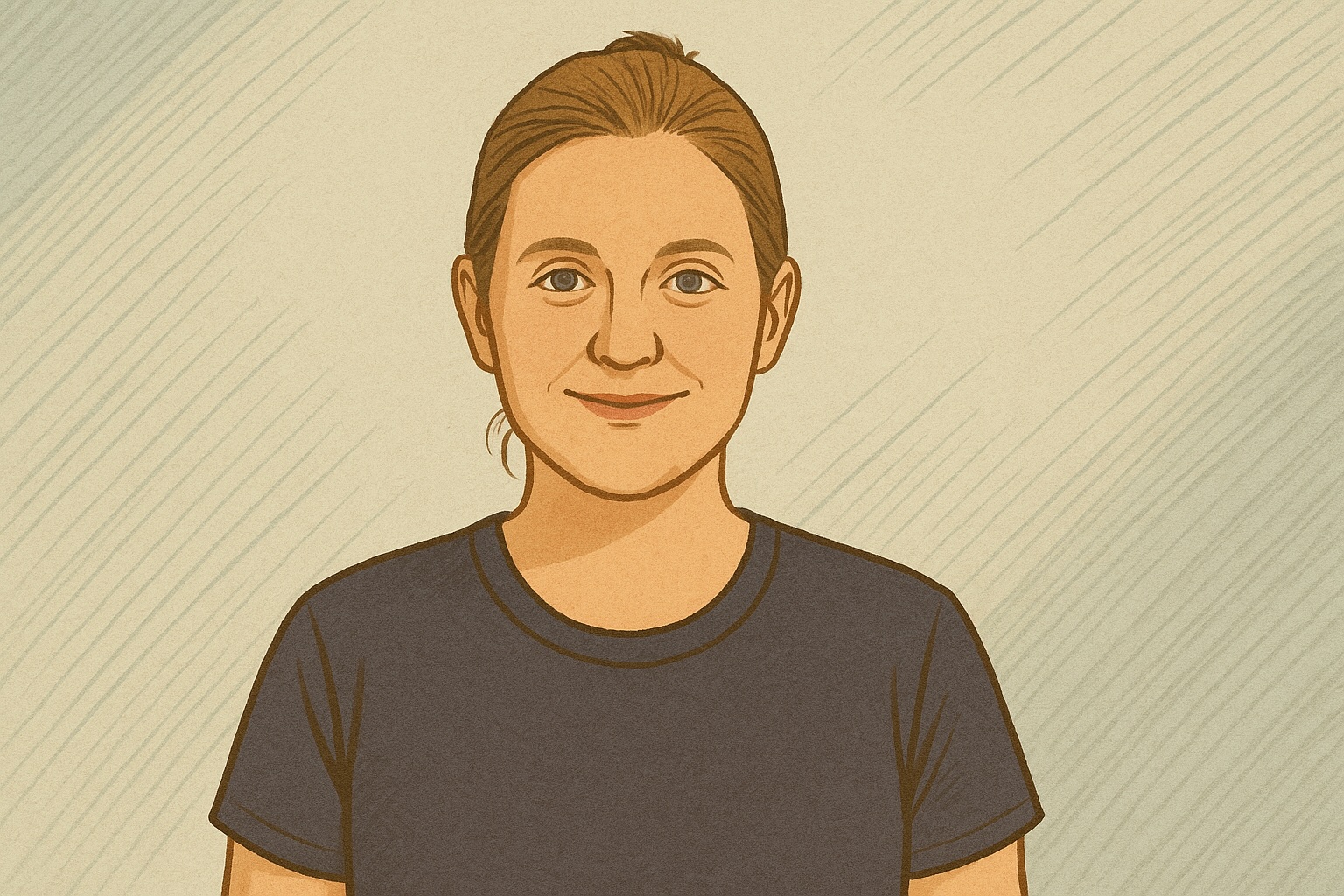
We recently had the chance to sit down with Sara Hicks from San Antonio. She is one of the brains behind the hilariously named “Get Out of My Escape Room.” Talking to Sara feels less like a business interview and more like grabbing coffee with that one friend who always has the best stories. She opened up about how her business started, how they survive the ups and downs, and the one marketing mistake she swears she will never make again.
If you have ever thought about opening your own venue or just want to know what happens behind the locked doors, you are going to want to hear this.
Listen In
The full interview with Sara is available to listen to below. Sometimes running a business can make owners jaded or tense. Sara couldn’t be more opposite. She is friendly, honest, and wants all escape rooms to succeed. I hope you enjoy the full episode below.
Toddlers and VR Headsets
The story of how this business began is honestly pretty charming. It didn’t start in a boardroom. It started at a daycare. Sara and her husband were dropping off their daughter and kept bumping into another couple. Eventually, the awkward waving turned into real friendship. It turned out that both couples were huge nerds for escape rooms.
“Every time we played, we’d say, ‘If we ever do our own, we’re going to make sure this doesn’t happen.’ Finally, we bit the bullet.”
They started playing games together constantly. As they played, they found themselves critiquing the rooms. They would say things like “if we did this, we would do it differently.” Eventually, they decided to stop talking about it and actually do it.
But the timing was tricky. They decided to launch this dream right in the middle of the pandemic. Since they couldn’t meet in person easily, they got creative. They put on Oculus headsets and met up in virtual reality. They played a dungeon crawler game called Demeo and planned their business strategy while fighting virtual goblins. It proves that you don’t need a fancy office to build a business plan. You just need good Wi-Fi and the right group of friends.
Why So Serious?
When they finally looked at the local market, Sara noticed a problem. Everything was scary. It was all zombies, serial killers, and blood. That is fine for some people, but you can’t really take a six-year-old to a room covered in fake gore. Sara and her partners are parents, and they wanted to build something they could actually share with their families.
“Darkness is not a puzzle. We hate getting into a room where you have to squint to read something just because it’s supposed to be scary.”
They decided to go the opposite direction of the horror trends. They focused on humor. They wanted their rooms to be sarcastic, funny, and welcoming to families. Sara mentioned that kids are actually some of their best players because they don’t overthink things like adults do. While the adults are trying to do complex math in their heads, the kid just looks at the prop and sees the answer immediately.
They leaned into this funny personality for everything. If you go to their website or read their FAQs, you can hear that sarcastic voice coming through. It sets the tone before you even walk in the door.
The Yelp Warning
One of the most valuable things Sara shared was what worked for getting people through the door and what definitely did not. Since they are targeting families, they went straight to the source. They worked with local “mom influencers” and micro-influencers. These are local people with a decent social media following who came in, played the games, and shared their experiences. It worked wonders for building trust in the community.
They also had great luck with Google Ads. It helps to show up right when people are searching for something fun to do.
“Yelp advertising was just horrible. We spent money on ads and got almost nothing in return but headaches.”
But Sara had a massive warning for new owners. She made it very clear that Yelp advertising was a mistake. She described aggressive sales calls and big promises that just didn’t pay off. She said they spent money on ads there and got almost nothing in return but headaches. The sales reps promised leads that never turned into bookings. Now, they stick to the free profile and ignore the sales pitches. If you are looking to spend marketing dollars, Sara suggests looking pretty much anywhere else.
Hiring the Right Game Masters
Staffing is always a nightmare for small businesses, but Sara and her team found a really cool way to handle it. Traditional interviews can be stiff and fake. You don’t really know how someone handles pressure just by asking them questions across a desk.
Instead, they do group interviews where the candidates actually play an escape room together. It is brilliant. The owners watch on the cameras to see how the applicants interact. Are they taking charge? Are they listening to others? Are they having fun? It tells them way more than a resume ever could.
“We take applicants in groups of three or four, put them into a room, and watch them. It tells you way more than a resume ever could.”
This method led them to their very first hire, and the story is amazing. They hired a high schooler who loved escape rooms so much that he had literally turned his own house into one for his family to play. When Sara asked him how he felt about working at a burger joint versus an escape room, he was ready to sign up immediately. Finding people who genuinely love the games makes a huge difference in the customer experience.
Building on a Budget
Another thing that makes their story relatable is that they didn’t start with a massive pile of cash. They kept their day jobs. Sara works in marketing, her husband is an engineer, and their partners are in healthcare and photography. They opened with just one single room because that is what the construction loan covered.
They had to be thrifty. They scour thrift stores, Facebook Marketplace, and garage sales to find props. They don’t buy expensive, ready-made props if they can build them or find them used. It gives their rooms a unique, eclectic feel that fits their brand perfectly.
They have slowly grown from that one room to having multiple games, but they kept that scrappy, do-it-yourself attitude. It is a great reminder that you don’t need millions of dollars to start. You just need passion, a good team, and maybe a few trips to the local thrift shop.